
01
Production visibility dashboards
Operational reporting that helps teams monitor processes, bottlenecks, and output more clearly.
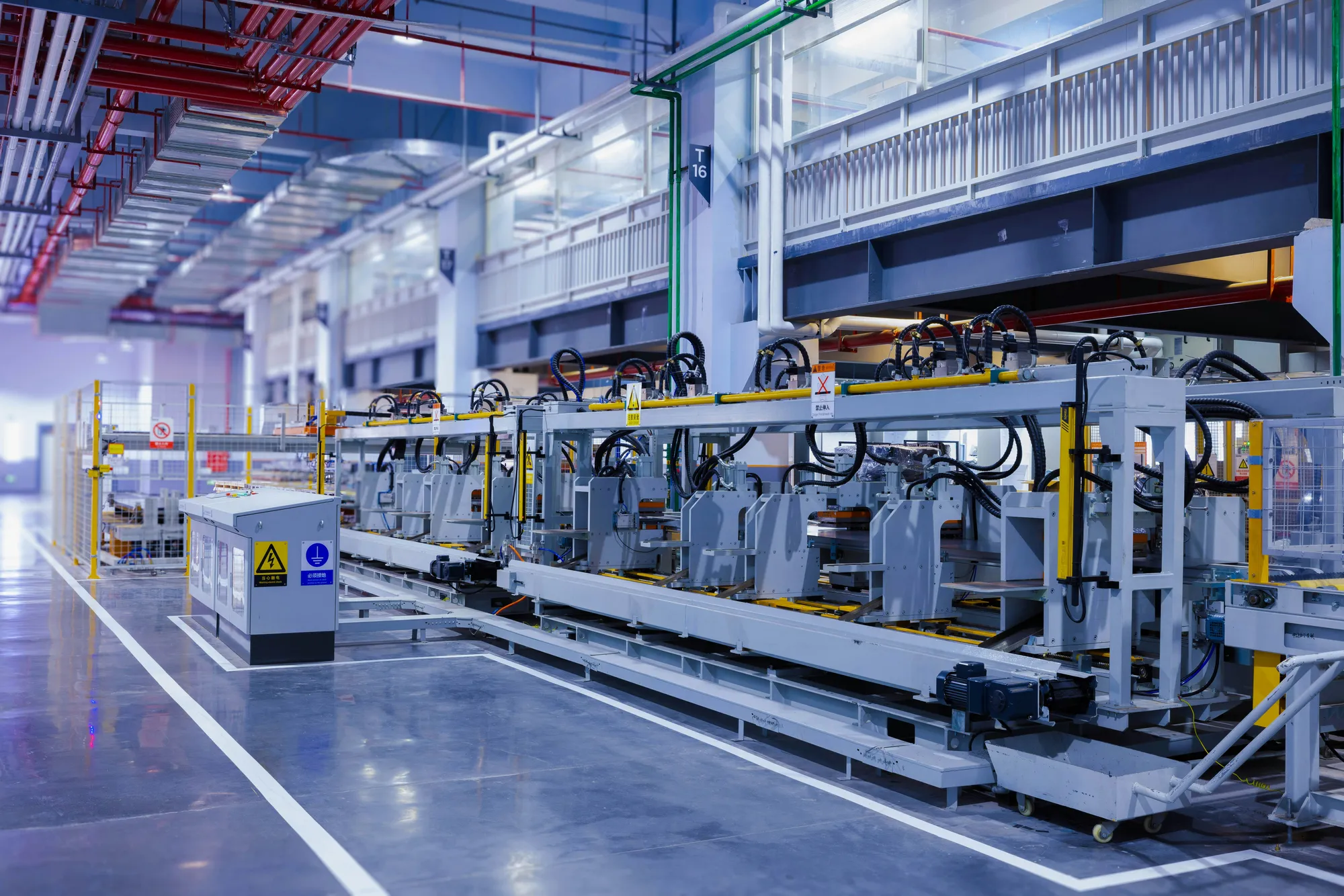
Industries
Manufacturing software, integrations, reporting, and workflow systems built to support operations, traceability, and process improvement.
Manufacturing organizations need digital systems that support production visibility, internal coordination, and the movement of information between departments and tools.
We help modernize that environment through enterprise systems, automation, operational dashboards, and software tailored to the realities of manufacturing work.
Industry Focus
These are the automation, modernization, analytics, and reporting capabilities we most often combine for manufacturing teams.
Operational systems that reduce manual purchasing friction, improve stock visibility, and help manufacturing teams keep supply-side workflows moving.
02Analytics systems that help manufacturing teams spot operational patterns earlier and plan equipment-related decisions with more confidence.
03Practical upgrades for older manufacturing systems that need to become easier to support, integrate, and evolve without disrupting operations.
04Operational visibility layers that turn connected-device and production-adjacent signals into dashboards and automated reporting teams can actually use.
What We Build
The most useful digital improvements in manufacturing usually come from stronger internal systems, cleaner data movement, and more visible operational processes.
Operational reporting that helps teams monitor processes, bottlenecks, and output more clearly.
Internal workflow tools that reduce manual coordination and improve accountability.
Applications and integrations that support planning, inventory, and enterprise process continuity.
Upgrades for older systems and processes that are slowing down day-to-day operational work.
Industry Focus
Operational systems that reduce manual purchasing friction, improve stock visibility, and help manufacturing teams keep supply-side workflows moving.
Manufacturing operations depend on timely inventory movement, purchasing coordination, and visibility into what materials are available or at risk.
We help automate inventory and procurement workflows so teams can reduce repetitive admin work, improve response time, and make supply operations easier to manage.
Automation that improves stock tracking, internal coordination, and visibility into material movement.
Structured workflows for requests, approvals, purchasing actions, and supply-side follow-through.
System behavior that helps teams respond earlier to shortages, recurring needs, or operational demand shifts.
Workflow support that keeps purchasing, operations, and inventory teams better coordinated.
Industry Focus
Analytics systems that help manufacturing teams spot operational patterns earlier and plan equipment-related decisions with more confidence.
Maintenance issues create outsized operational cost when teams only react after downtime or performance problems have already surfaced.
We help build analytics and reporting layers that improve visibility into equipment behavior, maintenance trends, and operational signals that support earlier intervention.
Data views that help teams understand operational patterns tied to equipment performance and service needs.
Analytics that support earlier maintenance conversations and more informed operational planning.
Reporting layers that make equipment-related patterns and bottlenecks easier to understand.
Structured insight systems that help teams act on maintenance-related data with better timing.
Industry Focus
Practical upgrades for older manufacturing systems that need to become easier to support, integrate, and evolve without disrupting operations.
Many manufacturers rely on legacy tools that still matter operationally but create bottlenecks because they are difficult to maintain, integrate, or adapt.
We help modernize those environments through staged improvements that reduce operational risk while making systems more usable and more valuable over time.
Technical review and modernization planning based on how older systems affect daily operations and future change.
Practical modernization approaches that improve systems without forcing abrupt disruption to manufacturing teams.
Changes that make older tools easier to connect with reporting layers, operational apps, and newer platforms.
System decisions shaped around keeping manufacturing processes stable during modernization work.
Industry Focus
Operational visibility layers that turn connected-device and production-adjacent signals into dashboards and automated reporting teams can actually use.
Manufacturing teams often have access to machine, sensor, or production-adjacent signals but struggle to turn them into practical visibility for daily operations and leadership reporting.
We help create dashboards and reporting automation that make those signals easier to understand, share, and use in real operational decision-making.
Dashboards that surface machine-adjacent and production-related signals in a clearer operational format.
Reporting pipelines that reduce manual compilation and improve consistency across manufacturing metrics.
Visibility layers that combine production, system, and device-adjacent data into more useful reporting views.
Reporting design that serves both daily operators and higher-level planning conversations.
FAQ
Common questions about how we support manufacturing organizations with software, AI, automation, and enterprise delivery.
We start by understanding your workflows, system constraints, customer expectations, and team capacity. From there we define the right mix of software, AI, automation, and integrations for a phased delivery plan.
Yes. We often work alongside internal stakeholders, existing vendors, and legacy systems. The goal is to strengthen what already exists where possible, not force unnecessary replacement.
Yes. We help frame the right solution, design the delivery roadmap, and build the actual systems. That makes the transition from planning into execution much cleaner and more accountable.
Most engagements are centered on speed, reliability, visibility, automation, and better user or team experience. We shape the technical work around outcomes that matter operationally, not just feature lists.
Still have questions? Get in touch and we will walk through your specific requirements.
Let's Talk
We work with manufacturers to improve the digital side of operations in ways that fit the pace and realities of the business.